
By Caroline Lin
John’s Outdoor Adventure Journalism must be one of the most rewarding courses I’ve ever taken at the JMSC.
Throughout this semester, we’ve analyzed several compelling journalistic documentaries addressing critical global issues, from environmental degradation and land protection to wildlife conservation. Specifically, films like The Ivory Game and A Plastic Ocean, which involve significant storylines tied to Hong Kong, provided me with a sobering look at the city’s role in the global ivory trafficking and its ongoing battle against plastic pollution along our own coastline.


What makes this course exceptional and precious is the privilege of engaging with these significant topics in person.
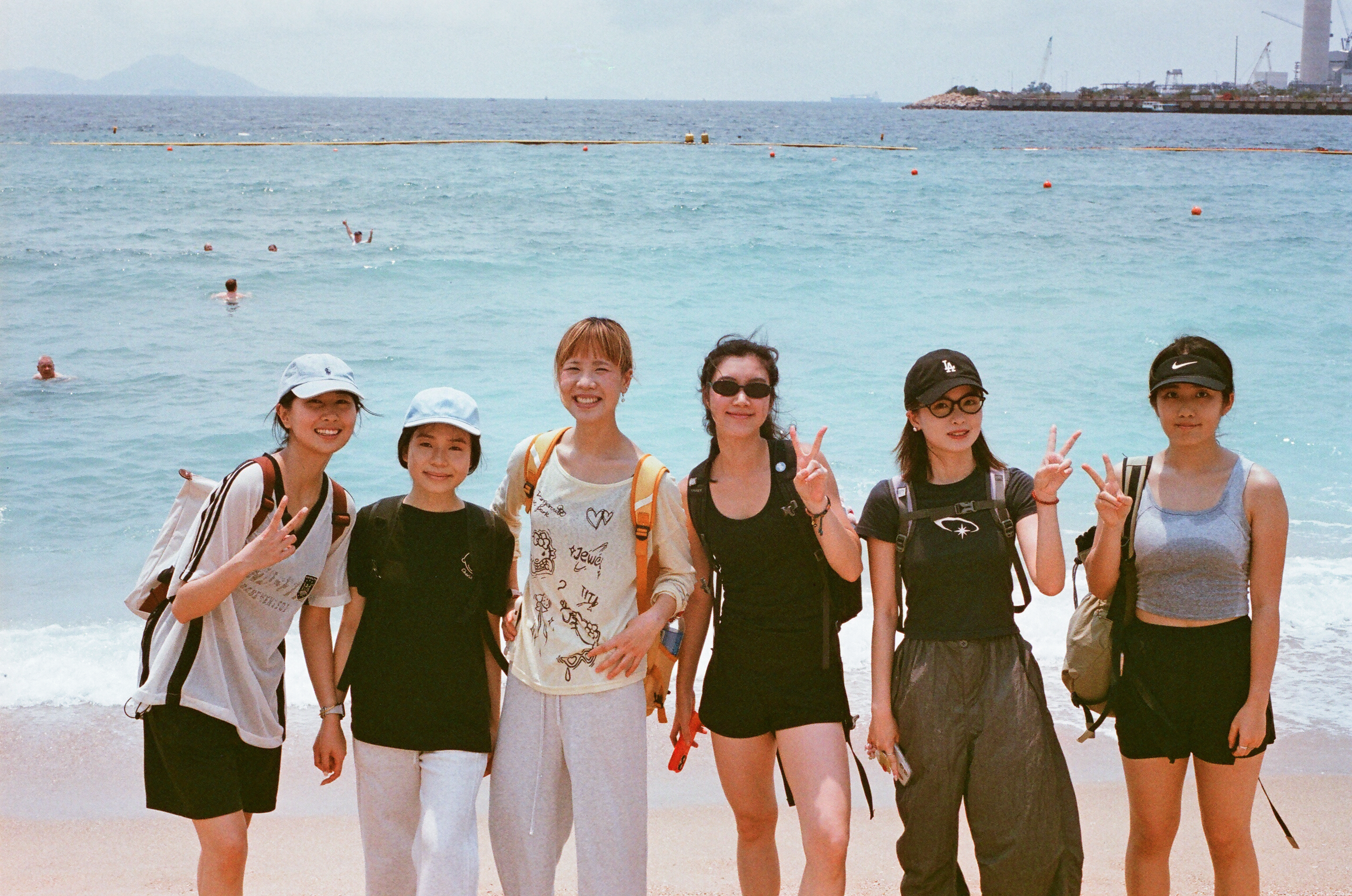
Rather than relying solely on second-hand materials like texts and videos, we have been able to learn immersively, by observing our surroundings and interacting with local communities while out in the field. Our footprints have scattered across the diverse landscapes of Hong Kong, from the heights of High Junk Peak and the shores of Lamma Island to the historic Pok Fu Lam Reservoir and the quiet corners of Peng Chau Island.
For me, these excursions serve as a vital primary source for understanding the true, unfiltered pulse of this city.
These hikes alongside our documentaries studies have deepened my understanding of Hong Kong’s environmental challenges. And beyond the ecological lens, these outdoor journeys offer a unique gateway into Hong Kong’s diverse community cultures that are often invisible to the average urban dweller.
The conversations with villagers or fellow hikers through Vox Pops provide the “human touch” that is the hallmark of great feature storytelling. Being physically present in nature allows us to absorb the atmosphere, the textures, and the authentic voices of those who inhabit these spaces, which is something indoor classes can never replicate.


Ultimately, I think our group thrives in the outdoors because it fosters a sense of shared discovery and purpose. We aren’t just tourists; we are observers developing our experiences and knowledge into stories that highlight the delicate balance between humanity and nature.
These trips have taught me that to report on the world effectively, one must first be willing to walk through it, breathe its air, and engage with its struggles. It is this pursuit of meaningful, on-the-ground reporting that makes these journeys so incredibly valuable to my growth as a journalist.


Leave a Reply